


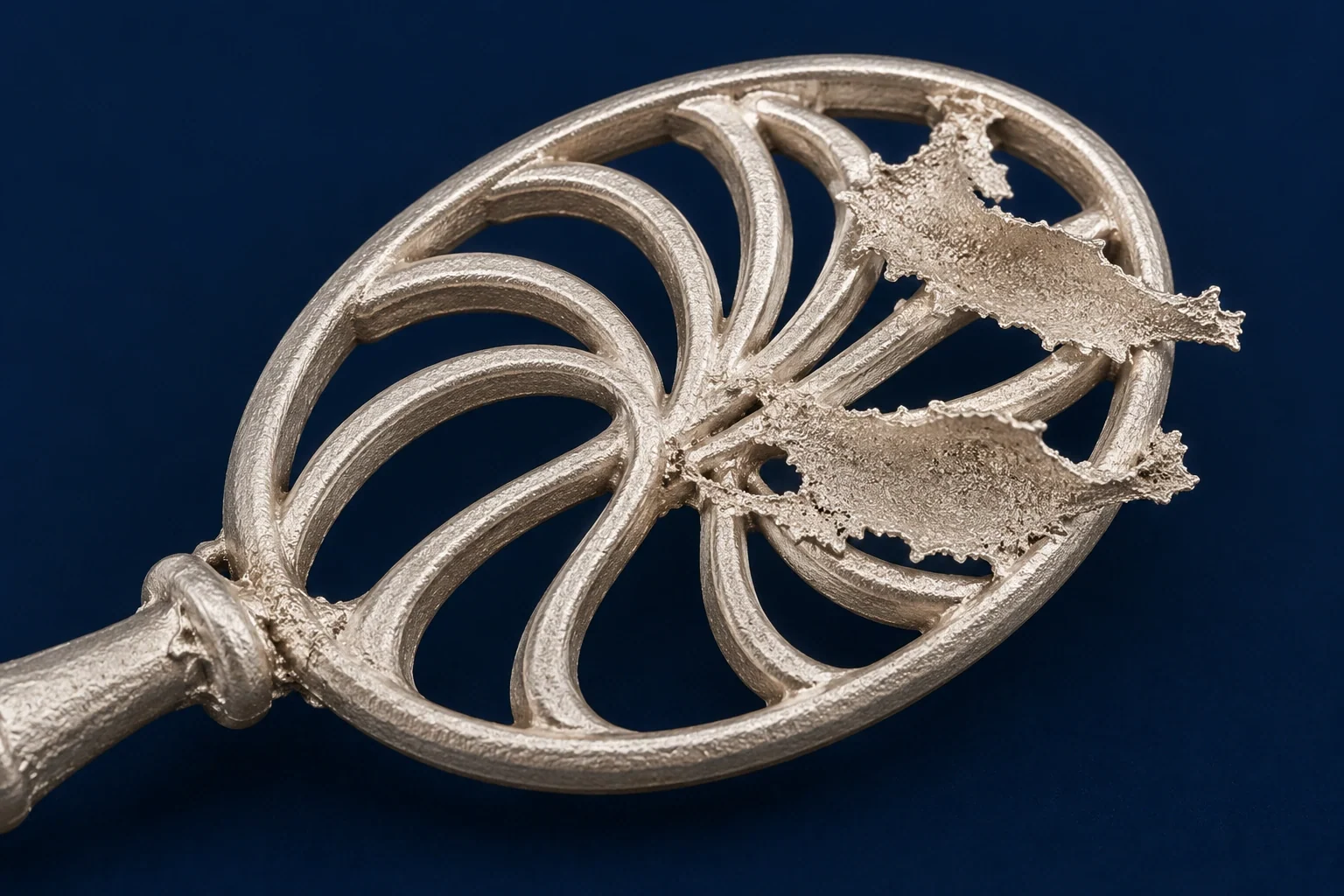
| Cause | Remedy |
|---|---|
| The recommended water-to-powder ratio was exceeded. | Reduce the water to the recommended range of 38–40 parts per 100 parts powder. |
| Mixing time was too short. | Mix for 3 minutes by hand or 3–4 minutes mechanically. |
| Metal and/or flask temperature too high. | Reduce the metal and/or flask temperature. |
| Insufficient curing time after setting. | Leave the flask undisturbed for 1–2 hours before burnout. |
| The investment was processed beyond its working time. | Do not process for longer than 8–9 minutes. |
| Mold heated too quickly. Water-to-powder ratio. | Reduce the rate of temperature rise. |
| Expired or improperly stored investment. | Use fresh powder within the recommended period. Store in a cool, dry place. |
CERTUS / CASTING SUPPORT
Find the cause.
Refine the process.
Select a defect to see its causes and remedies.
Explore the guidePRECISION IS IN THE DETAIL
Observe the detail. Understand the process.
MATERIAL SCIENCE. MANUFACTURING. SUPPORT.TROUBLESHOOTING GUIDE
THE TROUBLESHOOTING GUIDE
What are you seeing?
No matching defects.
Try a term such as “vacuum”, “temperature” or “porosity”, or clear your filters.
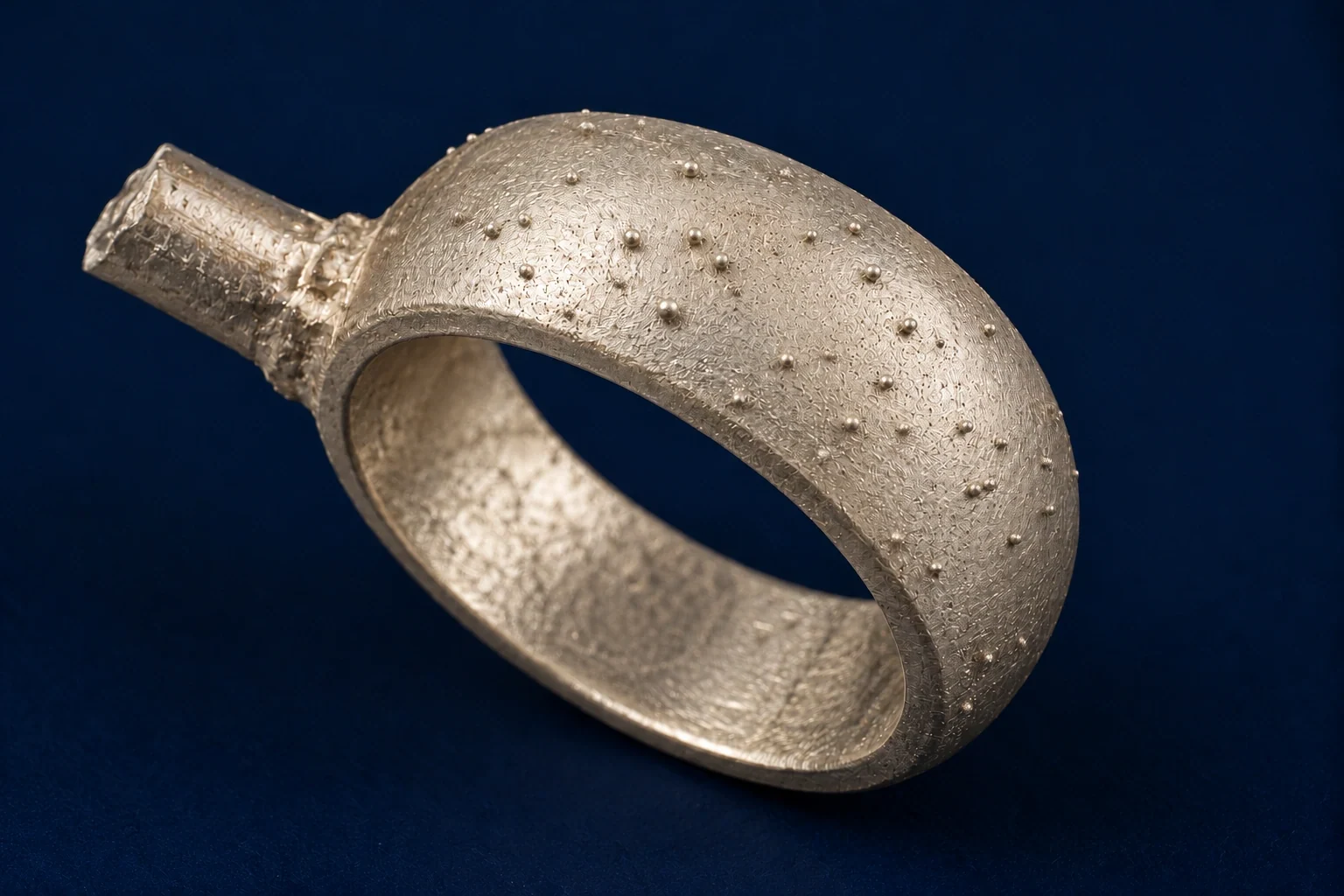
| Cause | Remedy |
|---|---|
| Water ratio too low. | Use a water-to-powder ratio of 38/100 for vacuum mixing and 40/100 for hand or mechanical mixing. |
| Insufficient mixing time. Water-to-powder ratio. | Do not mix for less than 2.5–3 minutes. |
| Investing cycle too long. | Follow the instructions. Do not exceed 9 minutes. |
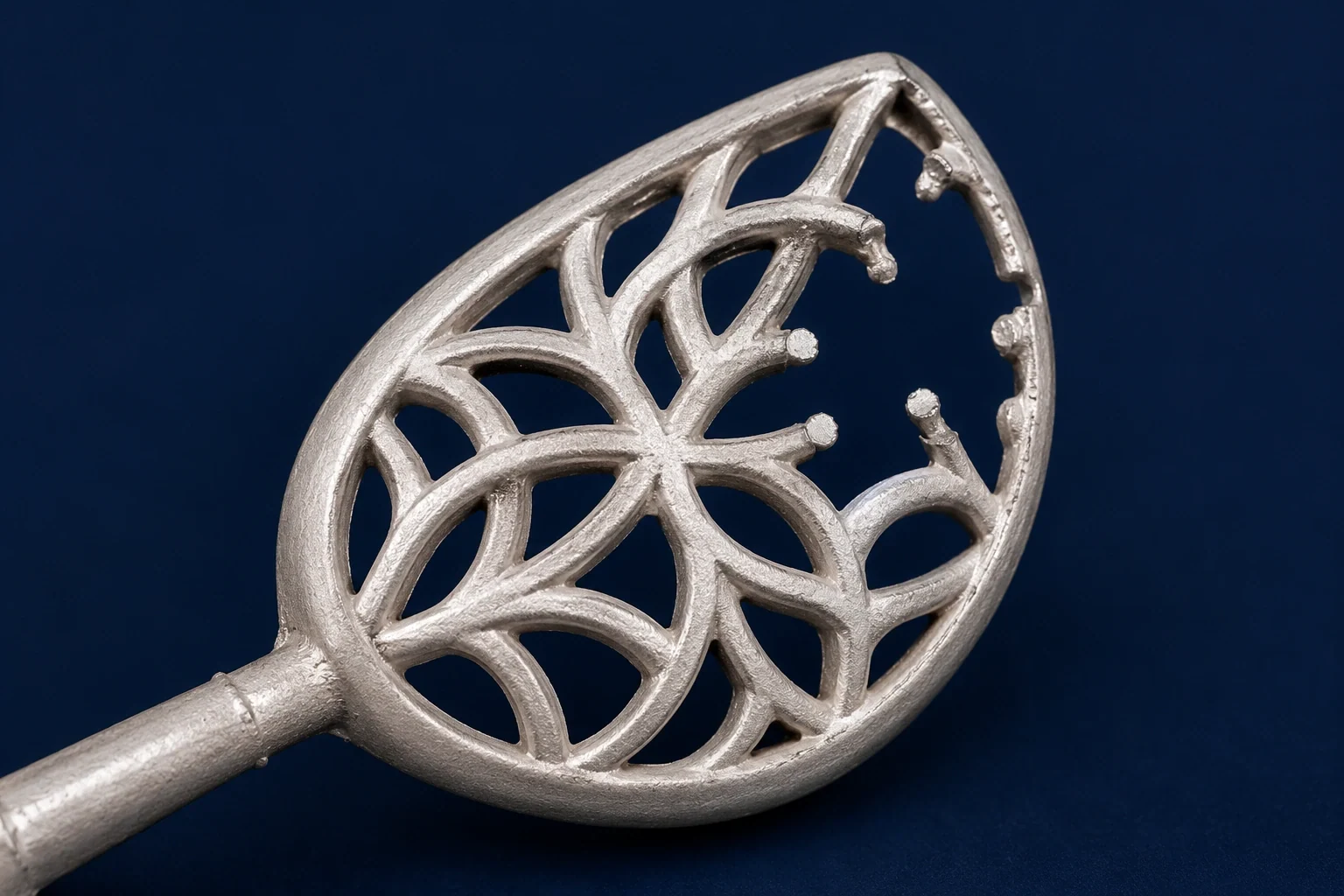
| Cause | Remedy |
|---|---|
| Metal and/or flask temperature too low. | Increase the metal and/or flask temperature. |
| Flask temperature too low. | Increase the furnace temperature until the mold fills completely. |
| Insufficient centrifugal force in centrifugal casting. | Adjust the centrifuge to increase the centrifugal force. |
| Insufficient vacuum pressure or a leak in the vacuum system. | Adjust the vacuum and repair the leak. |
| Incomplete burnout. Excess carbon in the mold cavity. | Increase the time at peak temperature until the mold cavity is white. |
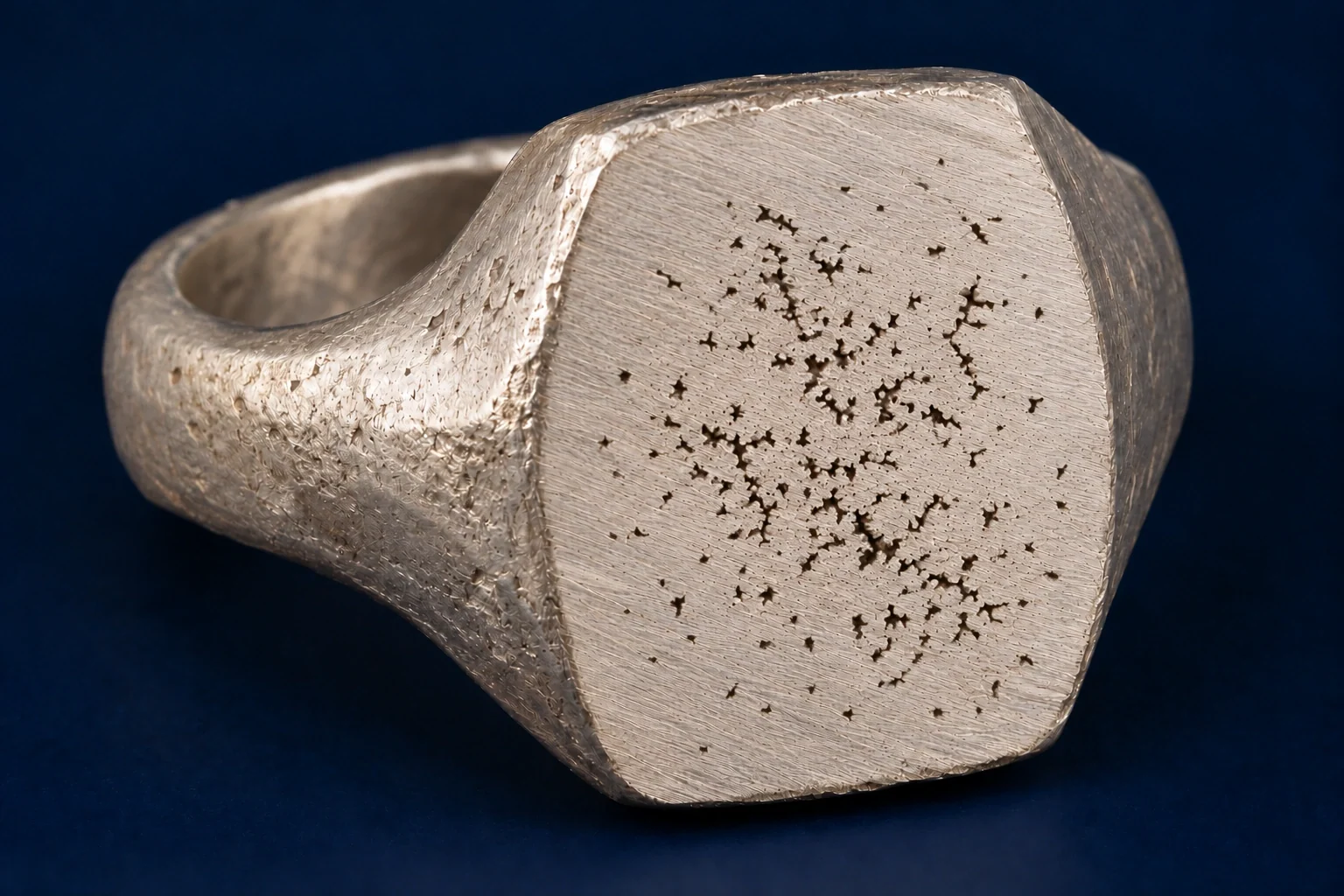
| Cause | Remedy |
|---|---|
| Patterns too close to the pouring button. | Leave more space between the bottom row of patterns and the button. |
| Flask temperature too high. | Lower the flask temperature. |
| Incorrect sprue positioning. | Attach the sprue to a thicker section of the design. |
| Sprue too small. | Attach the sprue to the heaviest section of the design and use a larger gate. |
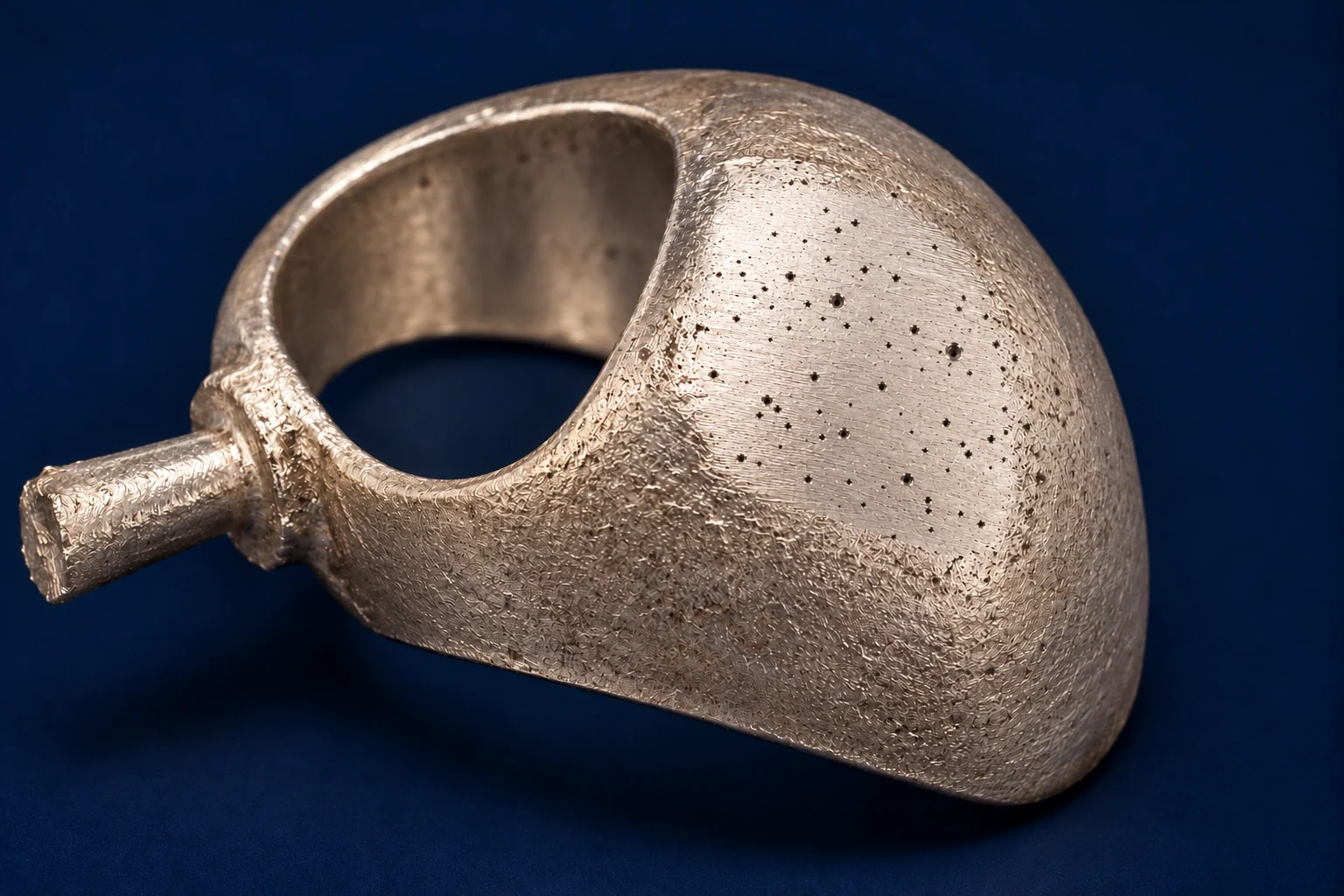
| Cause | Remedy |
|---|---|
| Contaminated metal. | Remove investment residue and other contaminants from the metal. |
| Flask temperature too high. | Lower the flask temperature. |
| Incomplete burnout. | Hold longer at the peak temperature. |
| Metal reused too many times. | Use new metal, or mix new metal with remelted metal. |
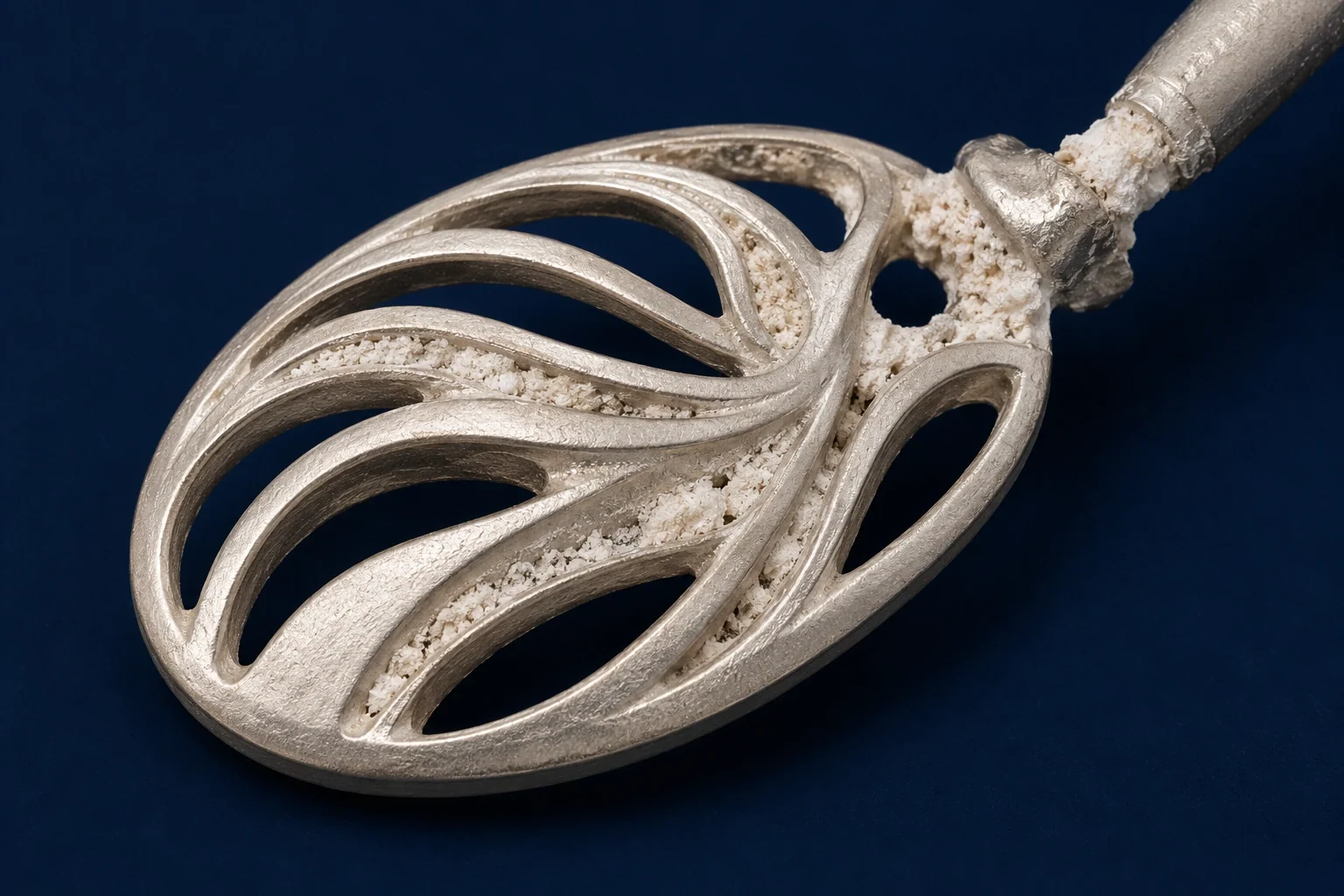
| Cause | Remedy |
|---|---|
| Overheated metal. | Lower the metal temperature. |
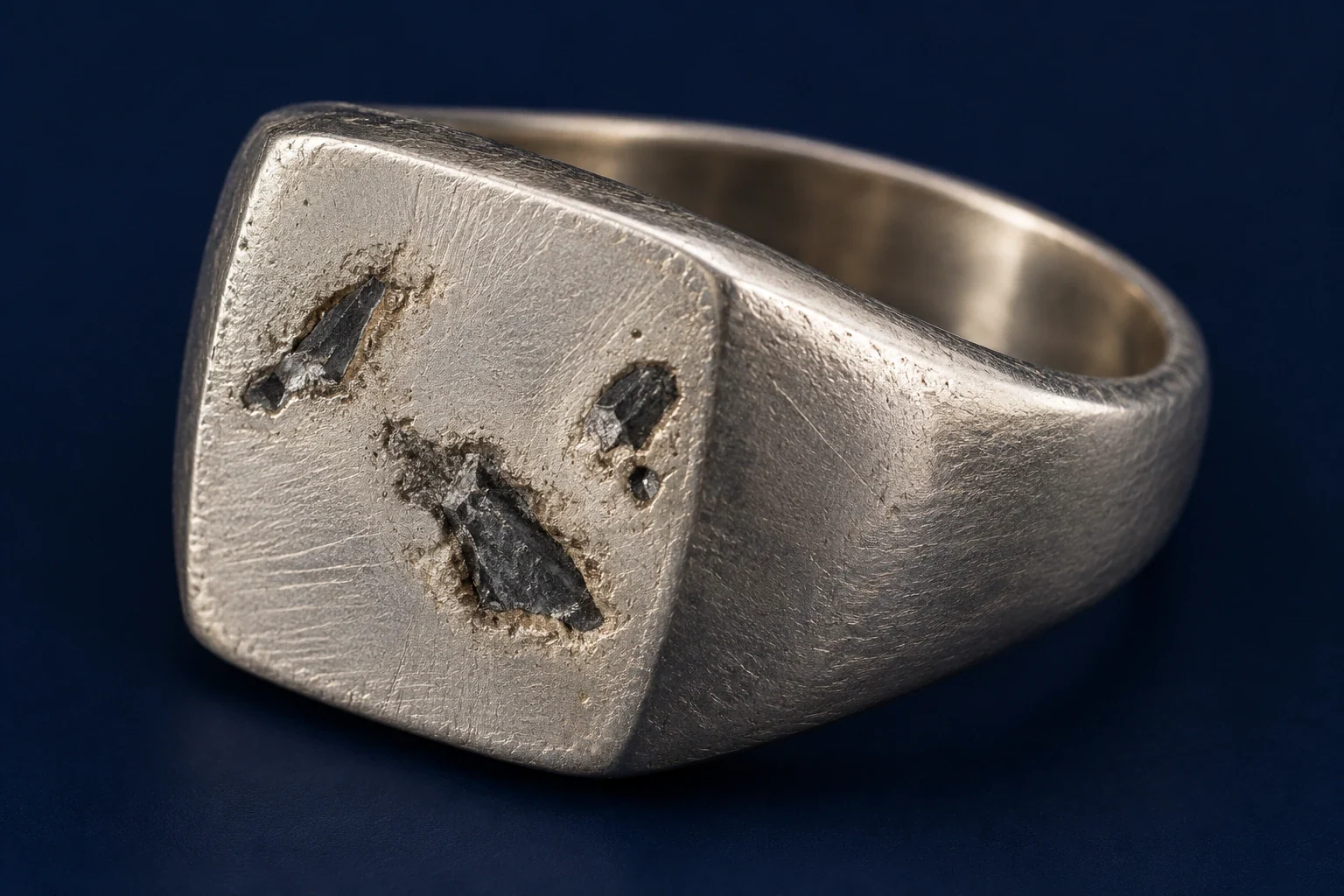
| Cause | Remedy |
|---|---|
| Old, deteriorated crucible. Metal oxides. | Replace the crucible and refine the metal. |
| Sharp corners breaking off. | Increase mold strength and modify the design. |
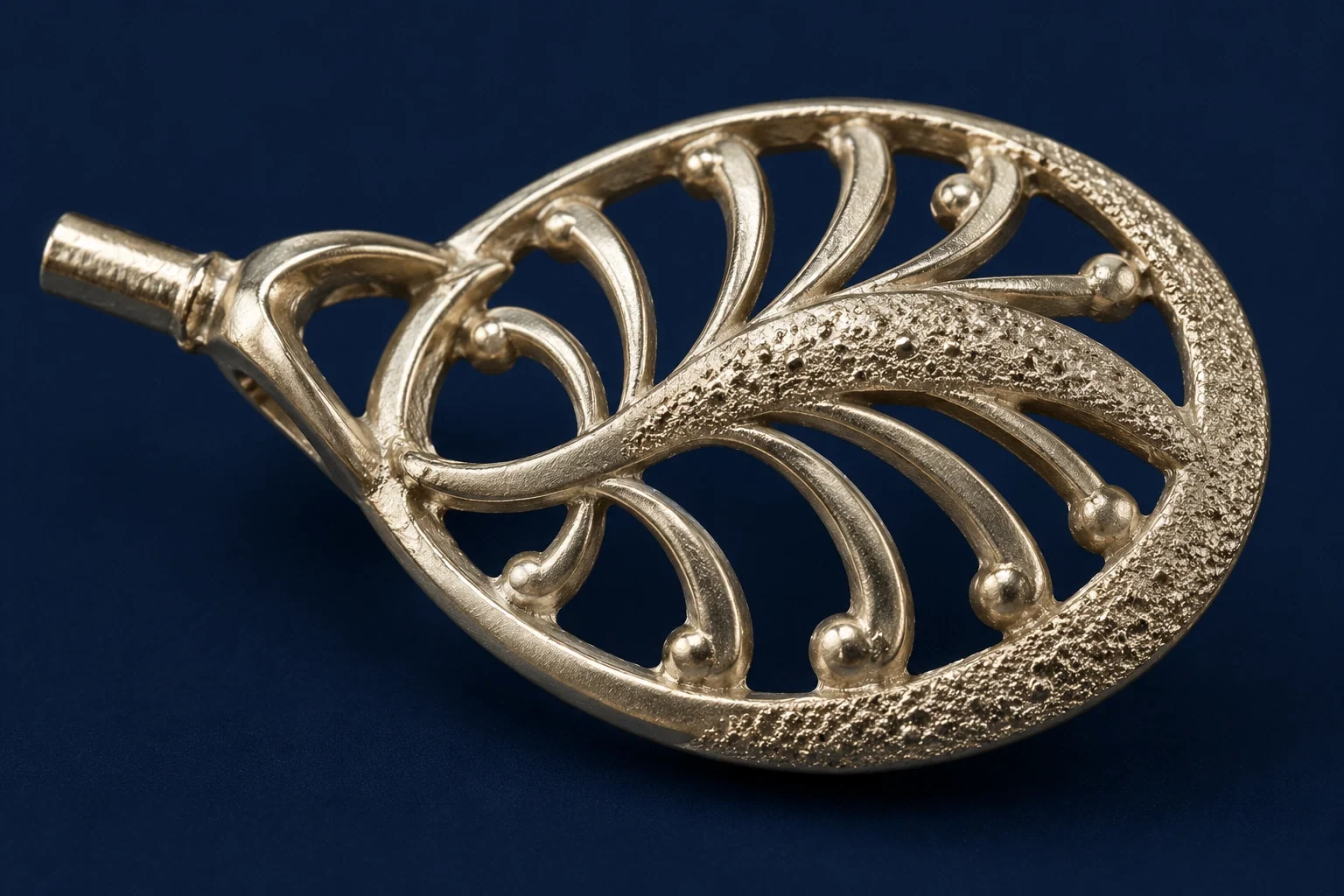
| Cause | Remedy |
|---|---|
| Too much water used for mixing. | Do not exceed 40% water when mixing. |
| Rough model surface. | Polish the master model and remake the rubber mold. |
| Too much silicone or talc mold release. | Clean the mold and reduce the amount of silicone or talc used. |
| Flask too hot. | Lower the flask temperature. |
| Metal too hot. | Lower the metal temperature. |
| Excessive steam dewaxing time. | Reduce the time in steam to less than one hour. |
| Insufficient curing before burnout. | Allow a minimum of 1–2 hours for the mold to cure. |
| Cause | Remedy |
|---|---|
| Peak burnout temperature exceeded. | Do not exceed 750°C. |
| Spent metal or metal reused too many times. | Refine the metal. Use fresh metal. |
| Overheated metal. | Use the correct casting temperature. |
PRACTICAL SUPPORT. MATERIAL EXPERTISE.
Let’s look at
your casting together.
Share the defect and the conditions behind it. Our team can help you review the material and process.
Talk to a casting specialist